Thai lacquer tapping
The lacquer tree species found in Thailand is the Burmese lacquer tree. Attempts have been made to increase lacquer production through artificial cultivation methods such as afforestation, but to date, these have not been successful. To protect the lacquer trees, sap harvesting in Thailand is currently carried out on a small scale by a limited group of people.
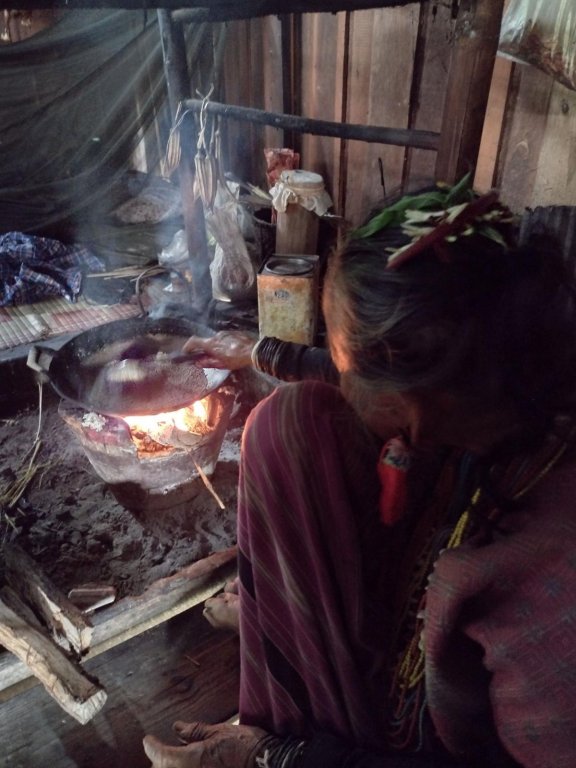
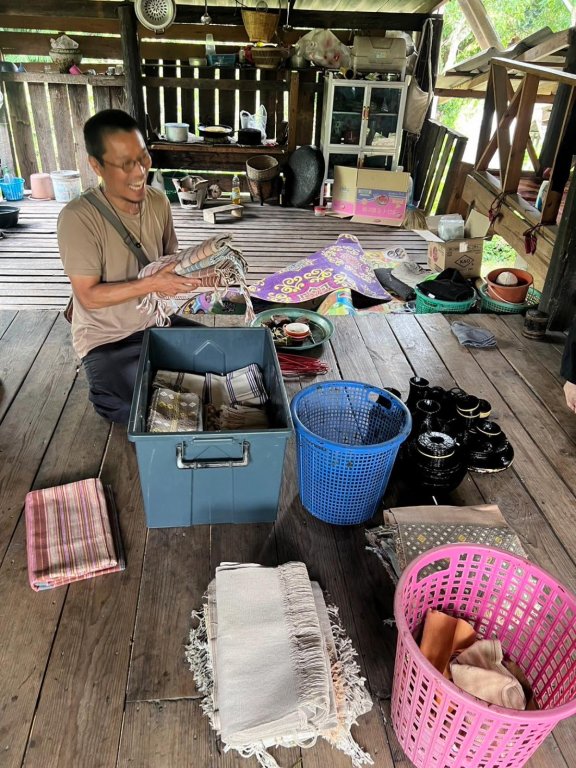
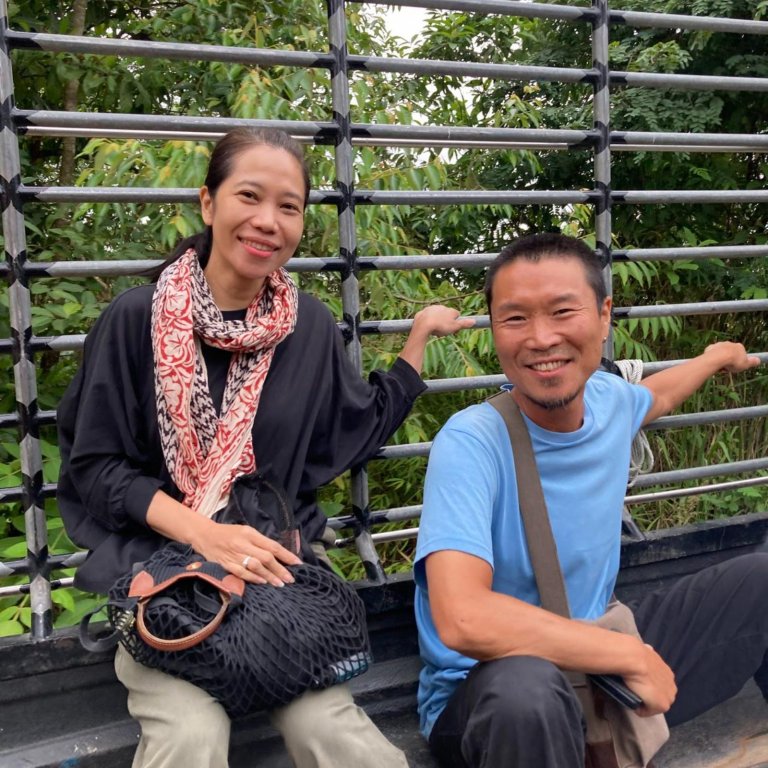
Omkoi, northern mountain area 4h by car from Chiang Mai, Thailand. Mountain tribes Karen people make lacquerware for daily use.
Explanation:
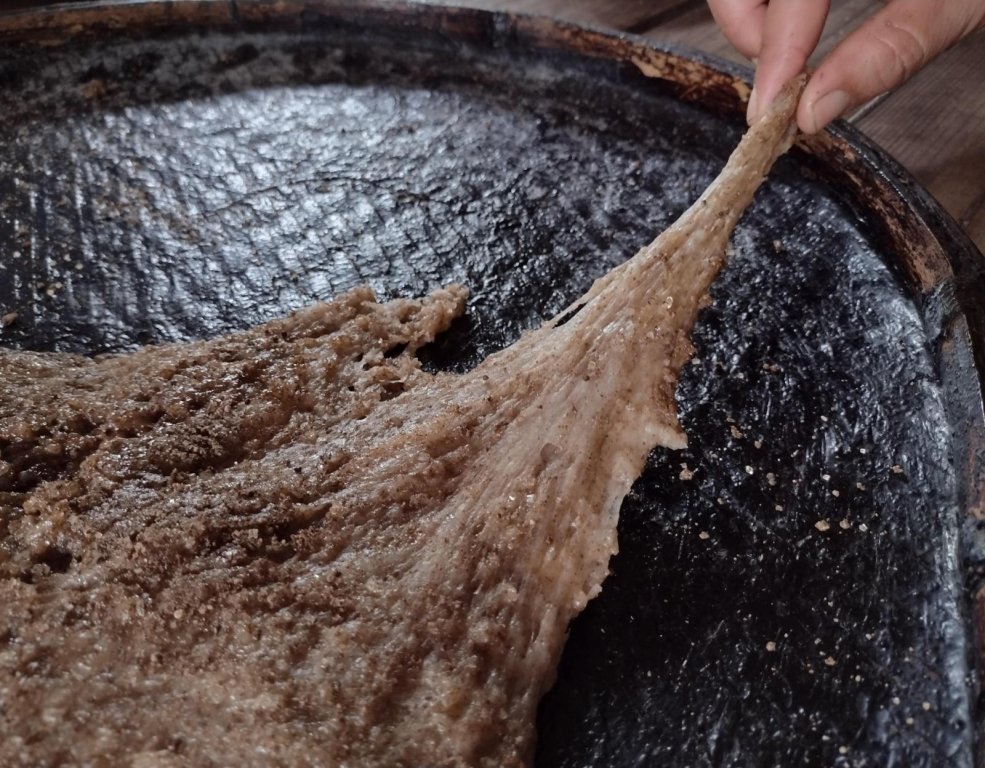
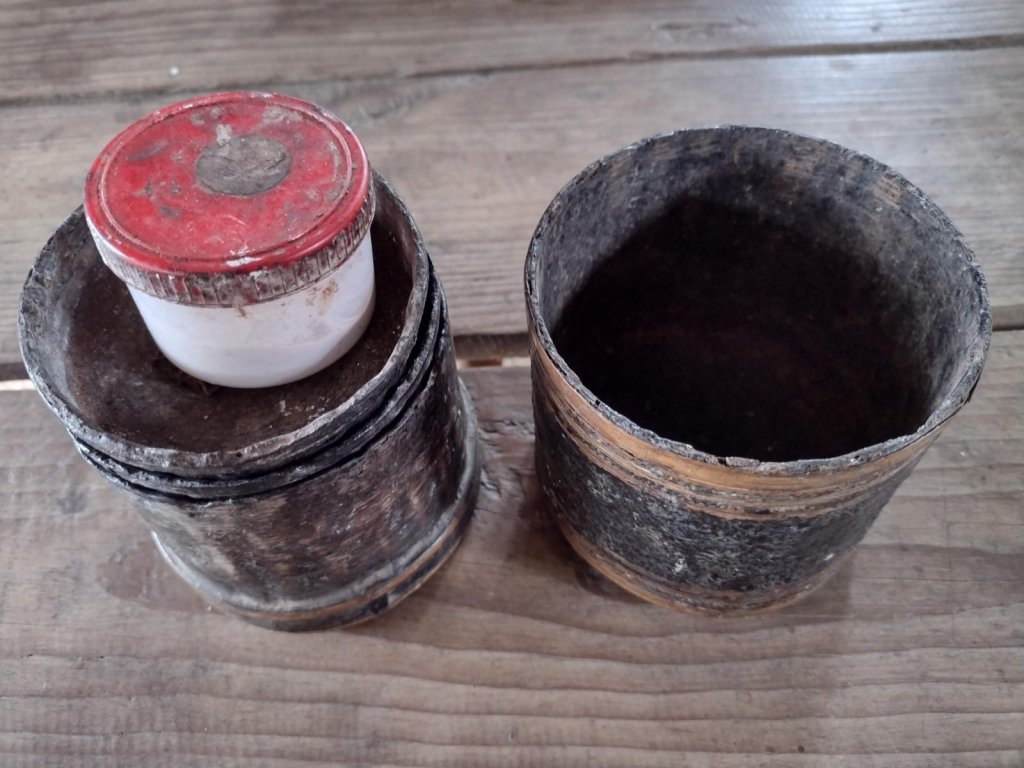
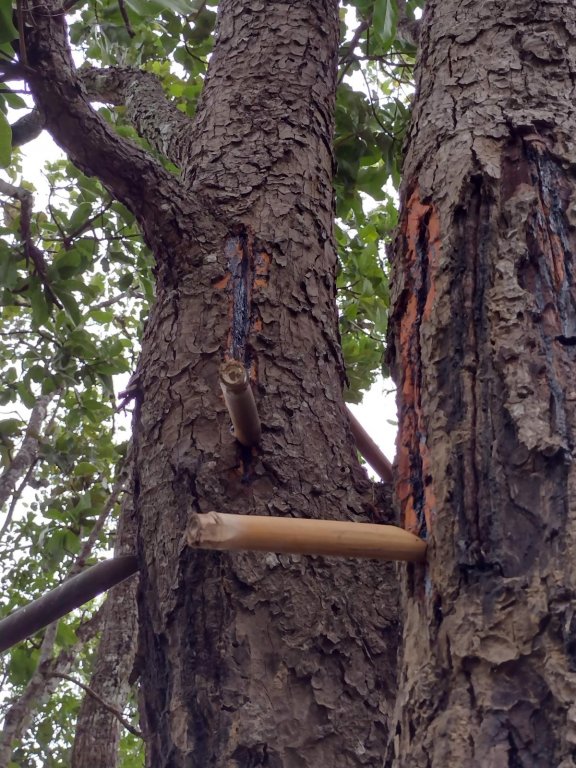
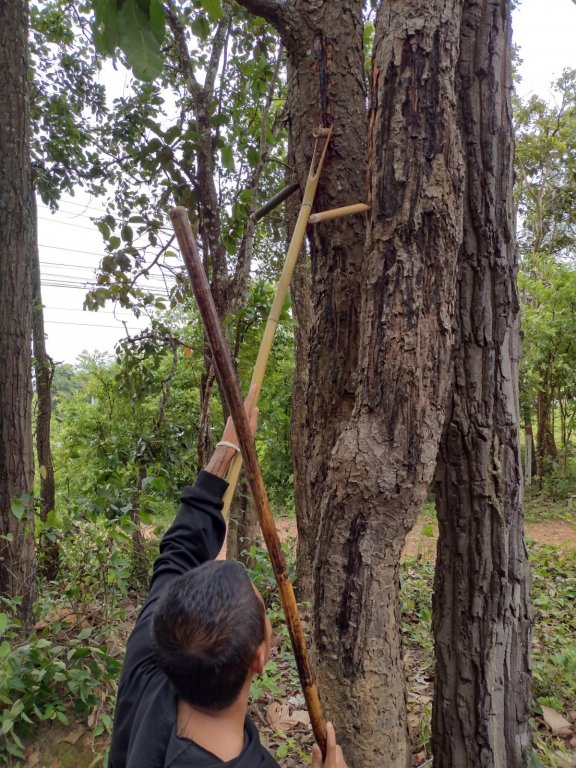
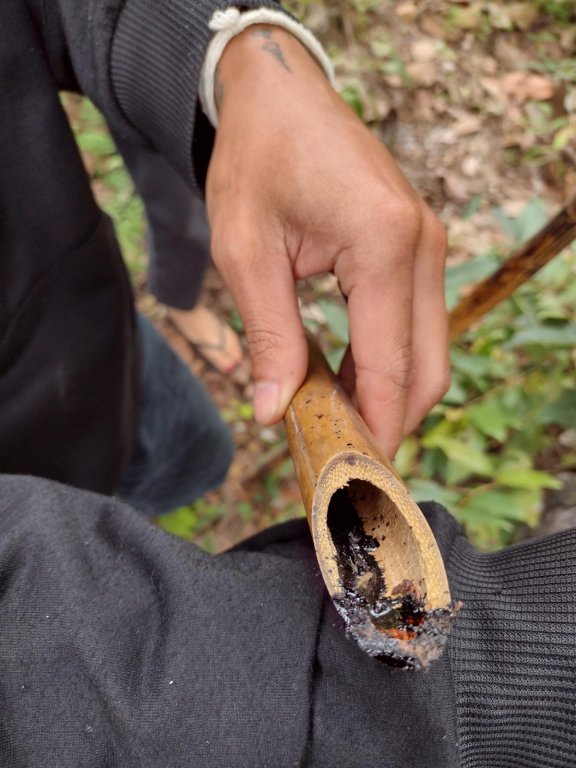
The raw lacquer is already black when the lacquer is tapped. Because the liquid is thick, it slowly collects in the bamboo tube, so they apparently leave it for two weeks.
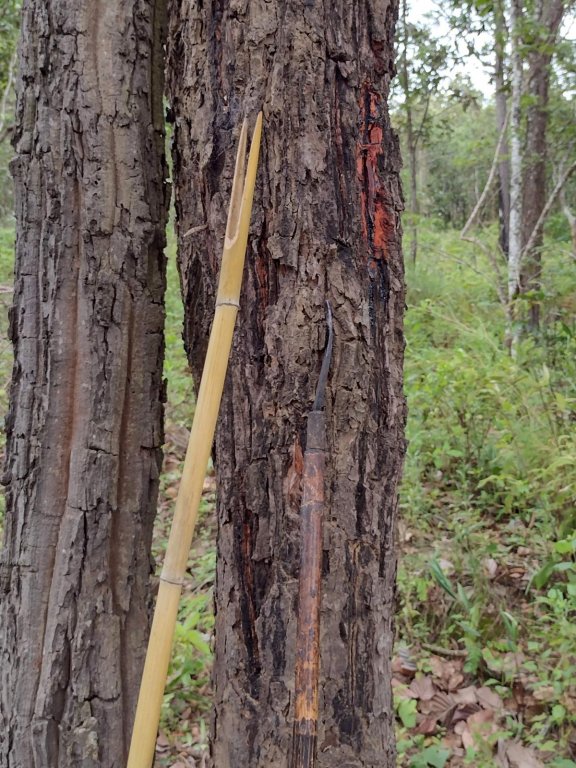
The method of making cuts varies depending on the tribe that collects the lacquer. Some tribes cut a V-shape and insert a shell or bamboo into the apex of the V, but apparently the V-shaped cut doesn't heal quickly, so the tribes mentioned above (people of Omkoi) make vertical cuts. They simply tap a pointed bamboo tube into the bottom of the cut and insert it. The height seemed to be arbitrary.
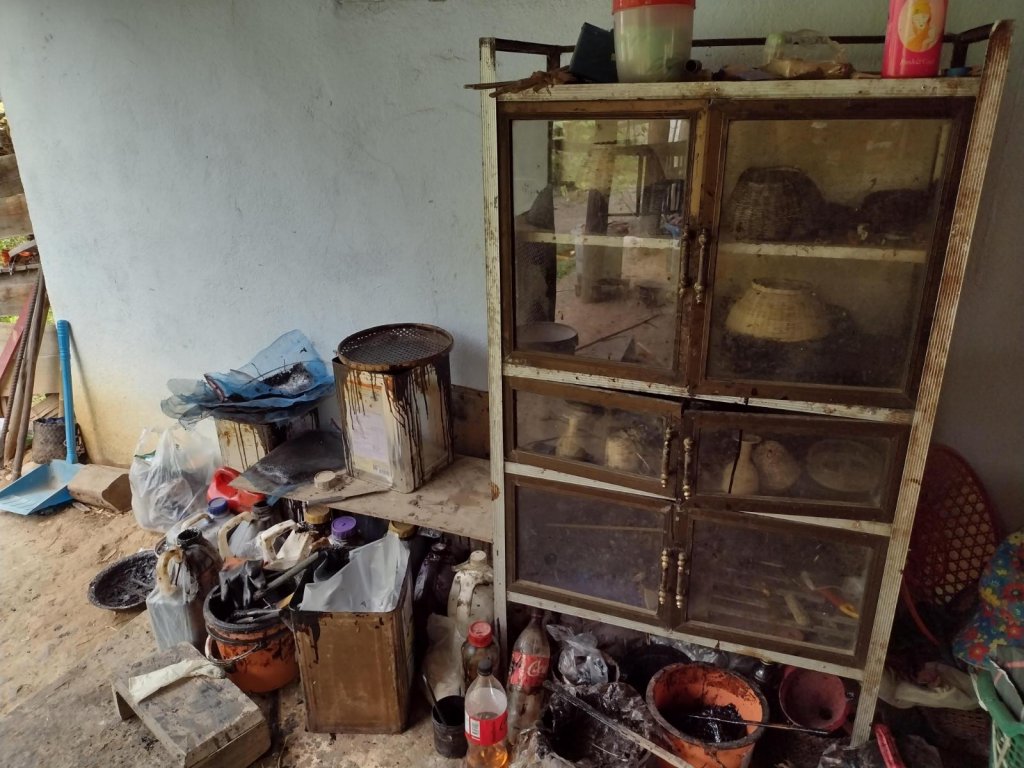
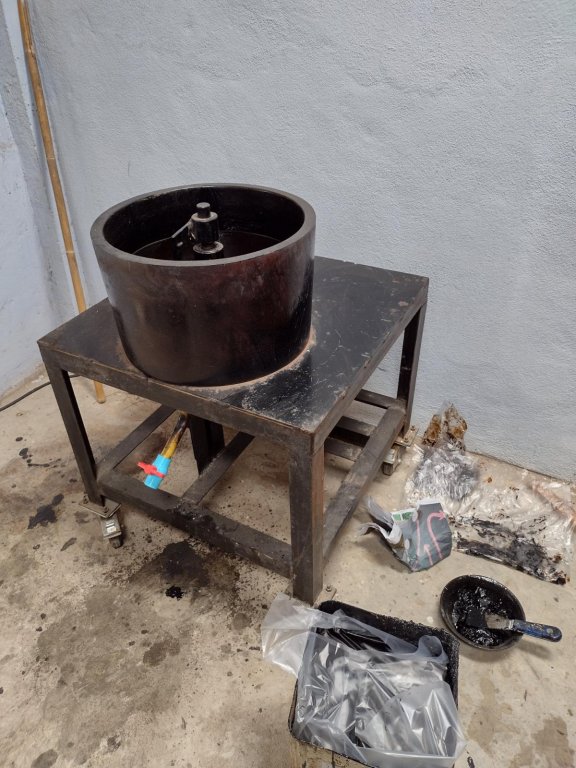
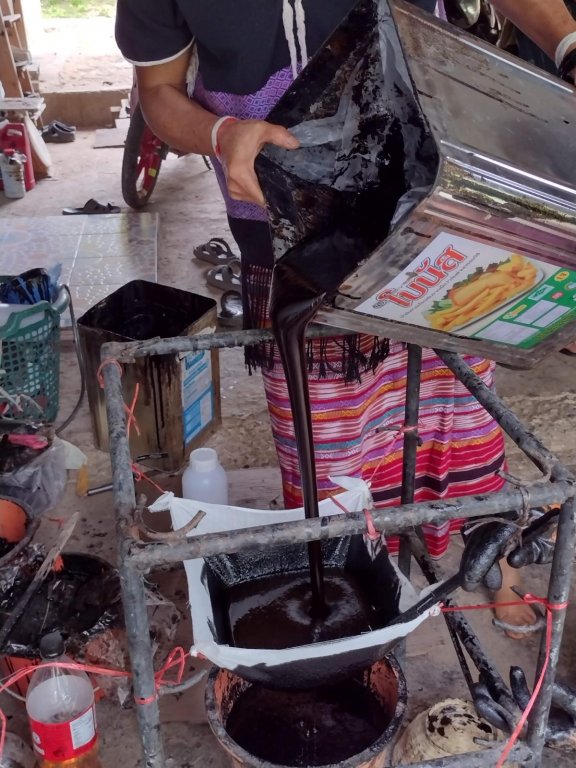
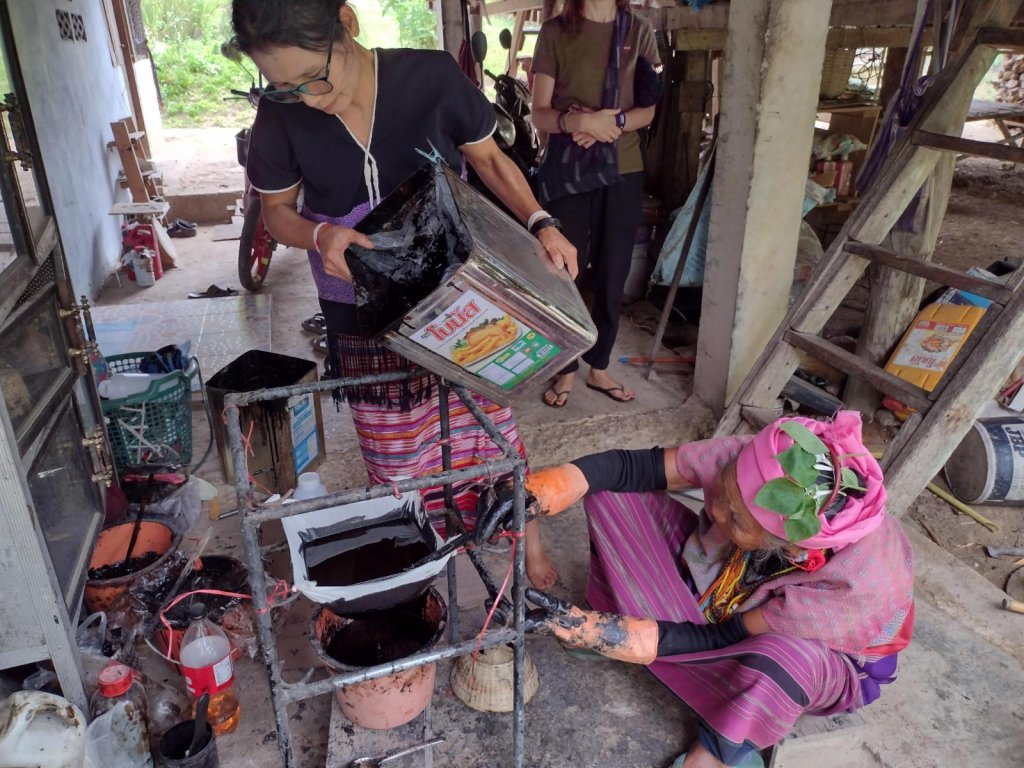
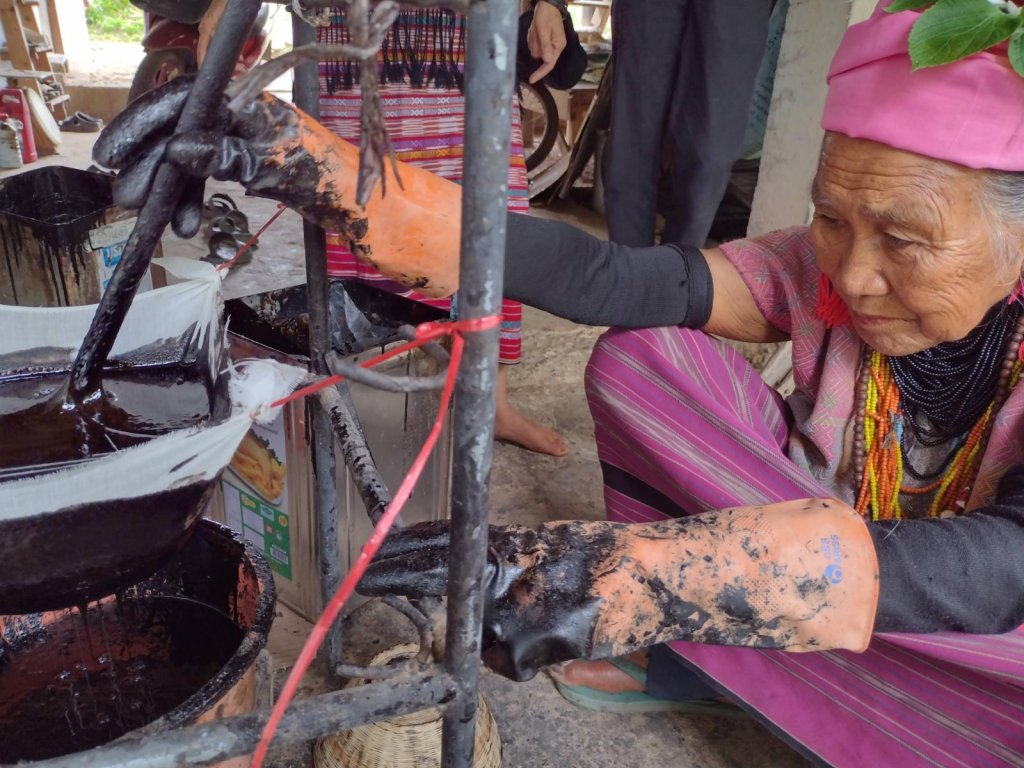
They put raw lacquer in a mixer, but no heat is applied. They let the moisture reduce naturally. After that, it's filtered through a coarse cloth.
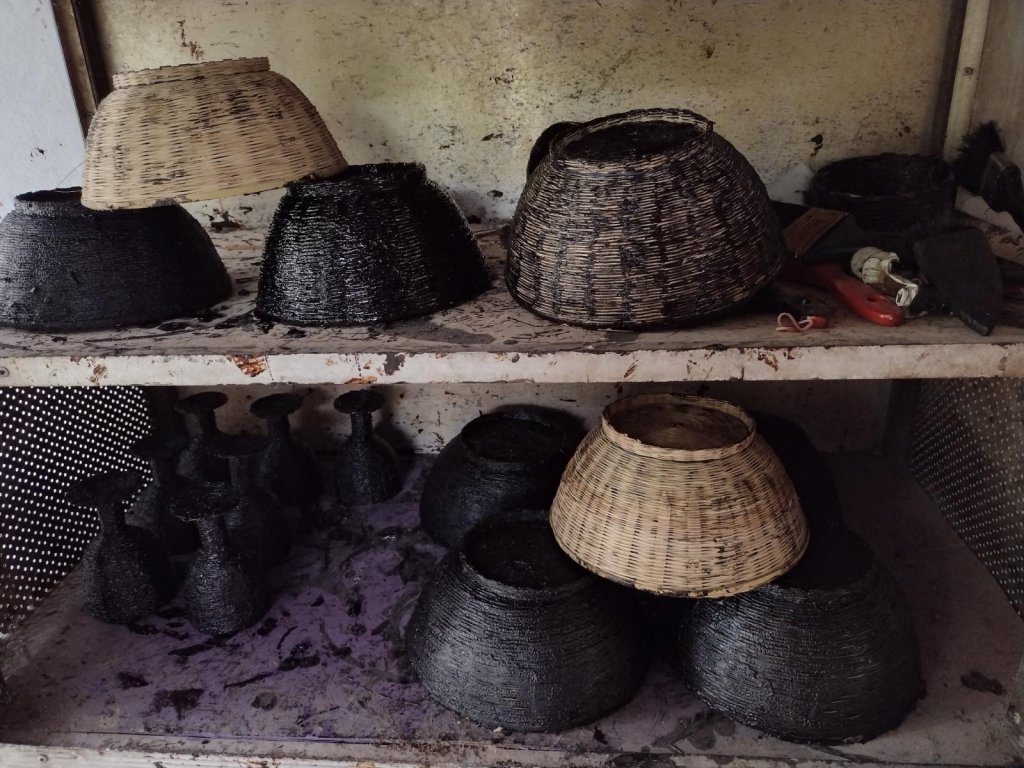
They weave the bamboo baskets themselves and lacquer them 3-4 times with a brush. No undercoat (Ji-base) or cloth is used. It's a simple primitive lacquerware, just as it is.
Burmese lacquer wood is hard and has a beautiful reddish-purple color, similar to rosewood.
Separately, there's also kind of ebony wood, which only turns black when it dies naturally. Interestingly, this ebony tree that is cut down without dying naturally doesn't turn black. Therefore, it's a rare and valuable wood due to its limited quantity.